Gemini 4 Carbon vs Claude Opus 5.5 vs GPT-6 Astra: Which AI Model Leads in November 2026?
Gemini 4 Carbon, Claude Opus 5.5 and GPT-6 Astra compared: benchmarks, real API costs, subscriptions and which AI model to choose in November 2026.
In this article
- Quick comparison
- Gemini 4 Carbon: the new benchmark leader you can't use yet
- Claude Opus 5.5: the strongest model for coding agents
- GPT-6 Astra: the priciest per token, but not per task
- What a real job costs
- Which subscription gives you access?
- Which one should you choose?
- The bottom line
- Frequently asked questions
Three AI labs now claim the top spot, and each has a number to back it up. Anthropic released Claude Opus 5.5 on September 22. OpenAI shipped GPT-6 Astra on September 3. On October 28, Google announced Gemini 4 Carbon and said it beats every publicly available model on most of its benchmarks.
The honest summary is that the gap between them is small. On Artificial Analysis's Intelligence Index, the three are separated by a couple of points. What really separates them is price, how many tokens each one burns to finish a job, and whether you can actually use it today. One of the three, it turns out, you can't.
Here is how Gemini 4 Carbon, Claude Opus 5.5 and GPT-6 Astra compare on the things that matter when you are choosing one.
Quick comparison
| Gemini 4 Carbon | Claude Opus 5.5 | GPT-6 Astra | |
|---|---|---|---|
| Company | Google DeepMind | Anthropic | OpenAI |
| Announced | October 28, 2026 | September 22, 2026 | September 3, 2026 |
| Can you use it now? | No, limited preview only | Yes | Yes |
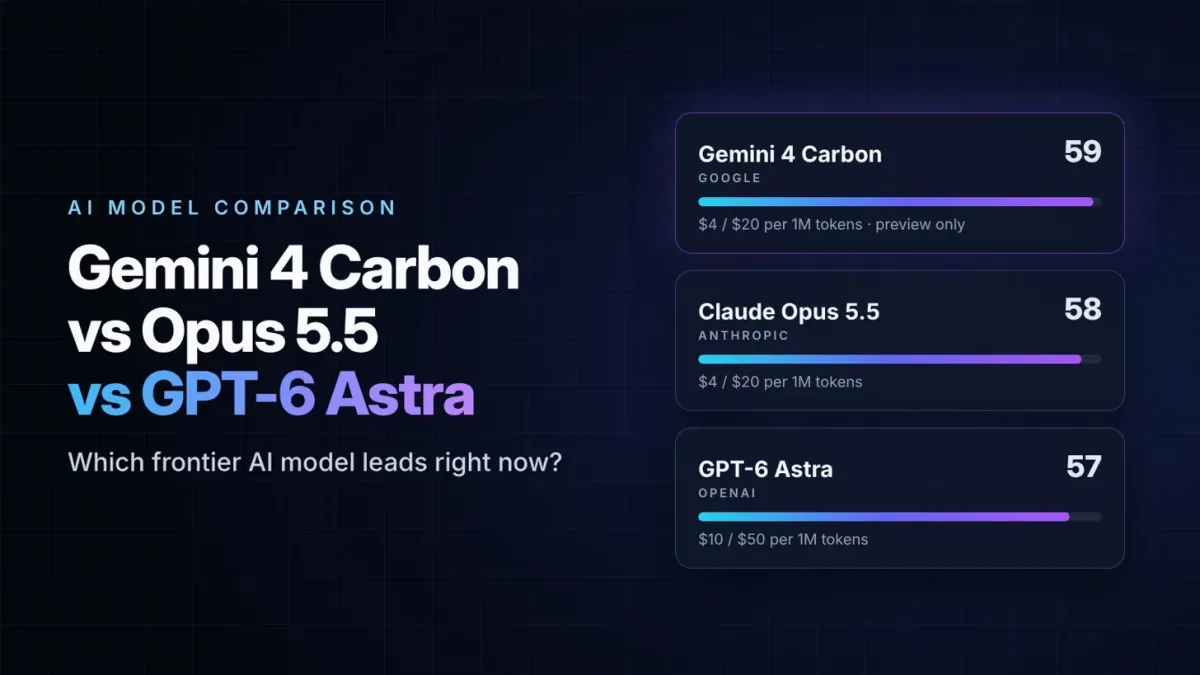
| API price (input / output, per 1M tokens) | $2 / $10 introductory, $4 / $20 standard | $4 / $20 | $10 / $50 |
| Context window | About 1M tokens (third-party listing) | 1M tokens | 1.05M tokens |
| Max output | Not published by Google | 128K tokens | 128K tokens |
| Long-context surcharge | Not published | None up to 1M | Yes, above 272K input tokens |
| Best known for | Cybersecurity, very long documents | Coding agents, long tasks | Efficient reasoning, ChatGPT integration |
Gemini 4 Carbon: the new benchmark leader you can't use yet
Carbon arrived only four weeks after Gemini 4 Argon, and it is a clear step up. On the Artificial Analysis Intelligence Index it scored 59, just ahead of Claude Opus 5.5 at 58, and well above Argon's 50.
Google is pitching it hardest at security work. In Google's own tests, Carbon scored 88.2% on SEC-bench Pro, which measures how well a model finds software vulnerabilities, and 71% on CWE-bench, which tests whether it can write a correct security patch. Google says it more than doubles Argon's success rate at generating secure code.
It is also strong with huge inputs. On GraphWalks, a test of reasoning across 256,000 to 1 million tokens of text, Carbon scored 96.2%, about 12 points ahead of Argon.
There are two catches.
- Availability. Carbon is going first to a small group of cybersecurity defenders, then to trusted partners through Google's Fairwind Program. There is no public API model name yet and no date for developers or Gemini app users.
- Accuracy on facts. On Artificial Analysis's Omniscience test, Carbon's hallucination rate was 11%, up from 4% for Argon. A smarter model that invents facts more often still needs checking.
Google has not published a model card for Carbon either, so details like the exact context window and output limit currently come from independent testers rather than Google.
Claude Opus 5.5: the strongest model for coding agents
Opus 5.5 is the model to beat if your work involves code. On the Artificial Analysis Coding Agent Index, Claude Code running Opus 5.5 scored 62, ahead of Carbon's 59. Anthropic's own figures put it at 89.9% on SWE-bench Pro and 66.4% on Terminal-Bench 4.0, ahead of GPT-6 Astra's 57.9% on the same test.
One note of caution on that last number: Anthropic ran Terminal-Bench at its highest effort setting. When Artificial Analysis ran the test independently, Opus 5.5 scored 59.6%. It is still a strong result, but vendor numbers tend to be the best case.
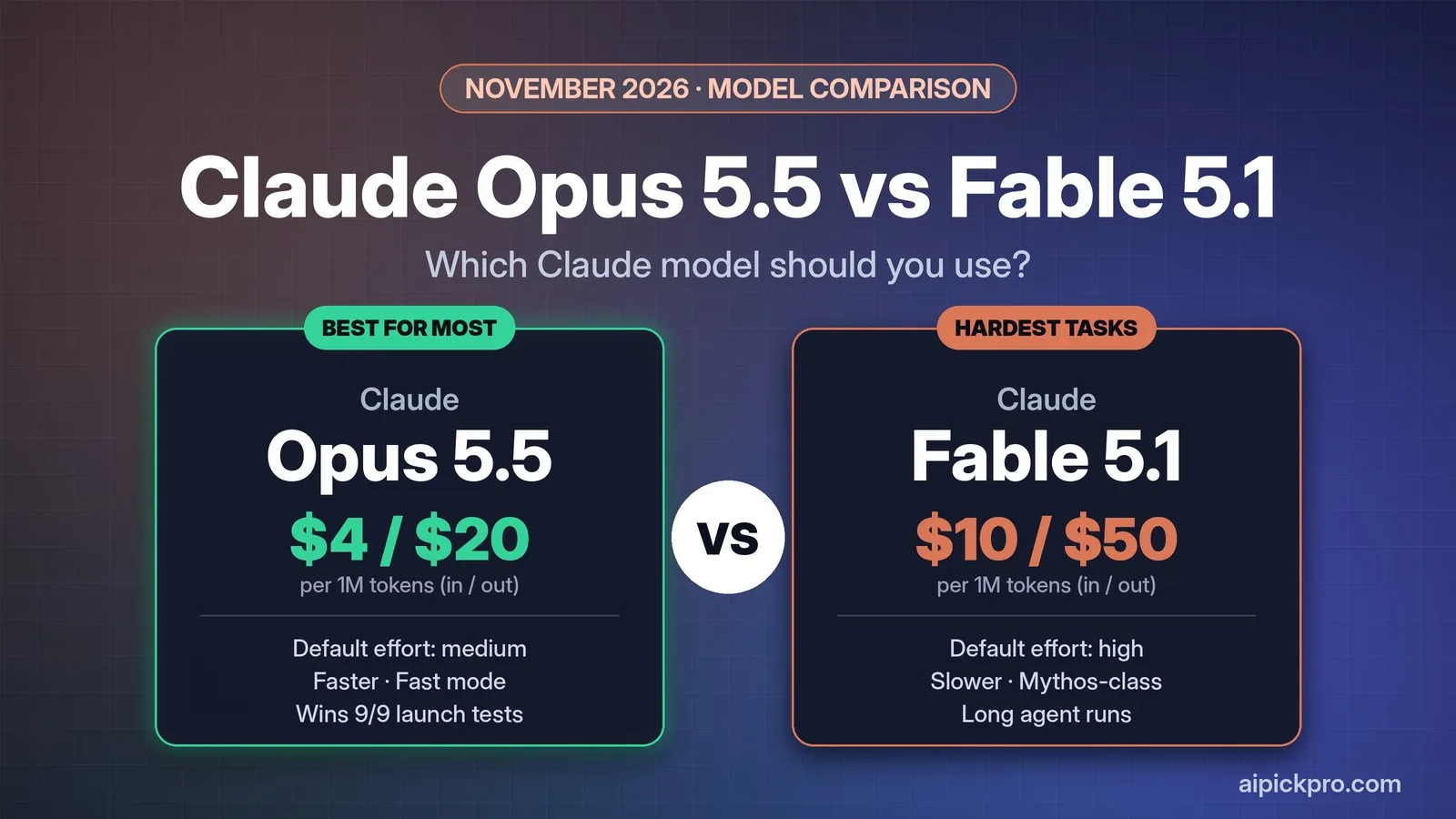
Anthropic also cut the price. Opus 5.5 costs $4 per million input tokens and $20 per million output tokens, 20% less than Opus 5, and it charges no extra for long prompts up to its full 1 million token window. Anthropic says the model performs at the level of its more expensive Claude Fable 5.1 on most tasks.
The trade-off is that thinking is always on and the model can be wordy. At its maximum effort setting it uses a lot of output tokens, which eats into the lower per-token price. The default effort is medium, and for most everyday work "high" is the practical ceiling.
GPT-6 Astra: the priciest per token, but not per task
Astra is OpenAI's top model and has the highest list price of the three at $10 per million input tokens and $50 per million output tokens. Above 272,000 input tokens, the entire request moves to a higher rate of $20 input and $75 output.
That sounds expensive, and per token it is. But Astra tends to reach an answer with far fewer tokens. On Artificial Analysis's index tasks, Carbon averaged $7.76 per task, about 23% less than Opus 5.5 at maximum effort and about 20% more than Astra. In other words, the model with the highest sticker price was the cheapest of the three per completed task in that test.
Astra's results are mixed rather than dominant. In Anthropic's published comparison it trailed Opus 5.5 on most coding tests but led on Terminal-Bench-Science (64.6% vs 58.7%) and AutomationBench (41.4% vs 40.0%). Its biggest practical advantage is where it lives: if you already pay for ChatGPT, it is the frontier model you can reach with the least effort. We cover what changed in the app in our GPT-6 in ChatGPT guide.
What a real job costs
Per-token prices are hard to picture, so here are two example jobs at standard API rates. Real bills will vary because each model uses a different number of tokens for the same task.
| Example job | Gemini 4 Carbon | Claude Opus 5.5 | GPT-6 Astra |
|---|---|---|---|
| Summarise a long report (50K tokens in, 5K out) | $0.30 standard ($0.15 introductory) | $0.30 | $0.75 |
| Analyse a large codebase (400K tokens in, 10K out) | $1.80 standard* | $1.80 | $8.75 (long-context rate) |
*Google has not said whether Carbon will have a long-context surcharge, so this assumes it won't.
The second row shows why the 272K limit matters. If you regularly feed a model very large files, Astra can cost several times more than the other two. For short, everyday prompts, the difference is small and Astra's efficiency can close the gap.
Which subscription gives you access?
Most people won't use these models through an API. Here is where they show up in the consumer apps right now:
- Claude: Opus 5.5 is available on the Pro, Max, Team and Enterprise plans. It is not included on the free plan.
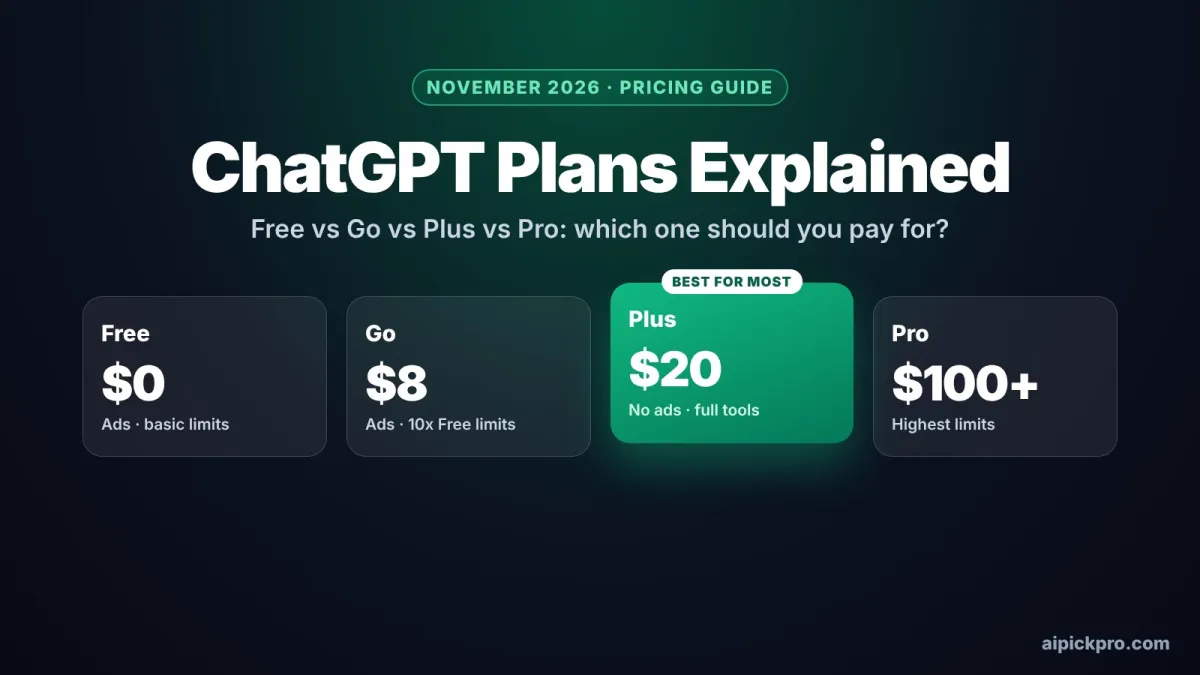
- ChatGPT: Astra is not part of the Free or Go plans. On Plus ($20 a month) it is rolling out in ChatGPT Work and Codex, and Pro ($100 a month) offers GPT-6 Pro, which runs on Astra, with much higher limits.
- Gemini: Carbon is not in the Gemini app. Google has not said when consumers will get it.
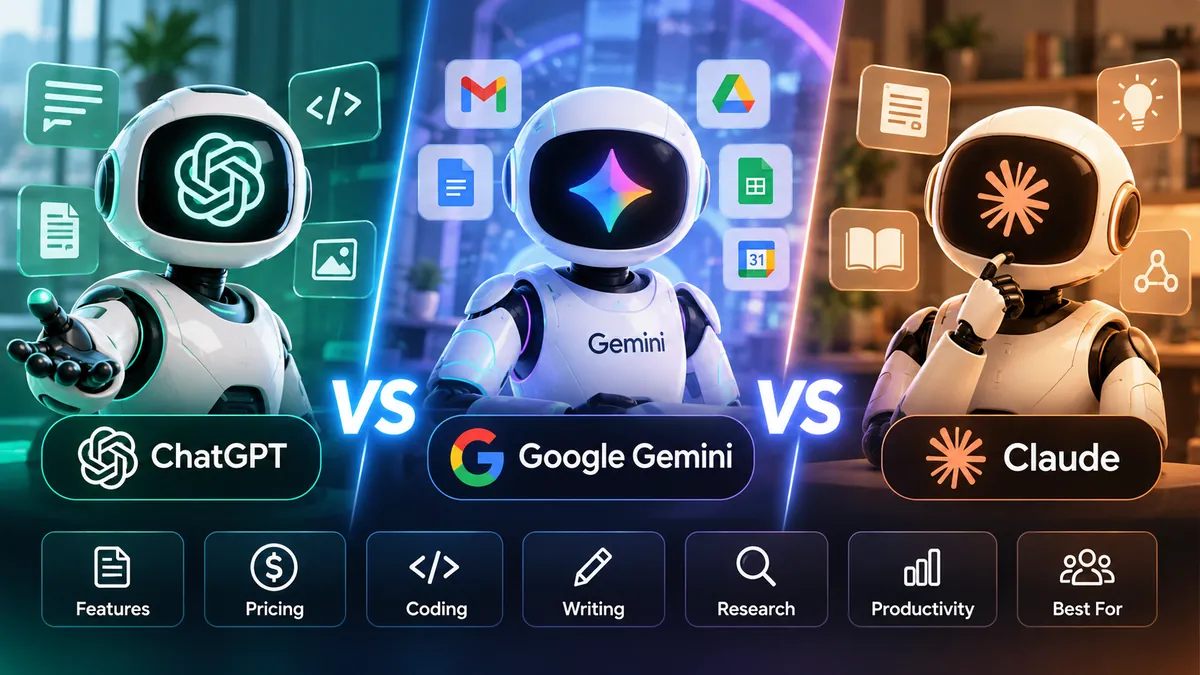
Plan details change often, so check the plan page before you pay. For a broader look at the three apps beyond their top models, see our ChatGPT vs Gemini vs Claude comparison.
Which one should you choose?
Choose Claude Opus 5.5 if you build software
It leads the independent coding agent rankings, has no long-context surcharge and is widely available, including on Amazon Bedrock, Google Cloud and Microsoft Foundry.
Choose GPT-6 Astra if you already live in ChatGPT
It is the easiest frontier model to reach for ChatGPT subscribers, and it is efficient on short and medium tasks. Watch the bill if your prompts regularly go above 272,000 tokens.
Wait for Gemini 4 Carbon if you work in security or with huge documents
Its security and long-context results are the best of the three, and its introductory pricing is low. Until it opens up, Gemini 4 Argon is the closest thing you can use today. Argon's introductory pricing runs until November 30, 2026.
Consider a cheaper model first
Flagship models are often more than a task needs. On the Vals Index, Anthropic's mid-tier Claude Sonnet 5.5 scored 70.85%, narrowly ahead of both Carbon (70.36%) and Opus 5.5 (70.18%). OpenAI's GPT-6.1 Terra costs $1 per million input tokens and is built for everyday office and computer-use work. Try the cheaper option and move up only when it struggles.
The bottom line
There is no single winner in November 2026. Carbon has the best benchmark scores but isn't available. Opus 5.5 is the best choice for coding and long-running agents. Astra costs the most per token but often the least per task, and it is the easiest to reach inside ChatGPT. The three are close enough that cost and access should decide your choice more than a one-point lead on a leaderboard.
One more thing to keep in mind: most of these scores come from the companies that built the models. Independent results from groups like Artificial Analysis and Vals AI are a better guide, and they often come in lower.
Frequently asked questions
Is Gemini 4 Carbon better than Claude Opus 5.5?
On overall intelligence rankings it is slightly ahead, 59 to 58 on the Artificial Analysis Intelligence Index. For coding agents, Opus 5.5 still leads. Carbon also can't be used by the public yet.
When will Gemini 4 Carbon be available?
Google has not given a date. It is rolling out to cybersecurity defenders first, then to partners in its Fairwind Program, before a wider release to developers, businesses and consumers.
Which model is the cheapest?
Per token, Carbon at introductory pricing ($2 / $10) is the cheapest, followed by Opus 5.5 ($4 / $20) and Astra ($10 / $50). Per completed task, Astra was the cheapest of the three in Artificial Analysis's testing because it uses fewer tokens.
Can I use these models for free?
Not in their full form. Opus 5.5 and Astra both require a paid plan, and Carbon is not publicly available.